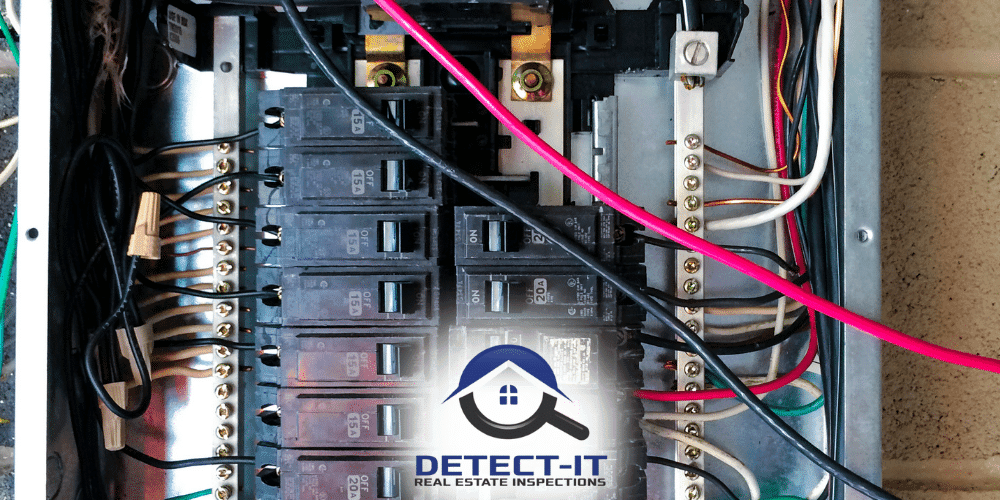
Many homes in the Fayetteville area were built decades ago, and while they often have solid construction and character, their electrical systems may not meet modern safety standards. Electrical components age just like roofs and plumbing, and older systems don’t always match today’s household demands.
If you’re buying an older home—or already live in one—it’s reasonable to wonder whether the wiring and electrical panel are still appropriate. Knowing what to look for can help you make informed decisions and avoid surprises during a home inspection or after moving in.
What Does “Outdated Electrical” Really Mean?
An outdated electrical system doesn’t necessarily mean something is unsafe, but it can indicate components that no longer meet current capacity or performance standards.
Common signs of outdated electrical systems include:
- Limited number of outlets per room
- Older breaker panels or fuse boxes
- Wiring materials are no longer commonly installed today
- Panels that struggle to support modern appliances
Many older homes were designed for a much lower electrical load than what families typically use now.
Understanding Aluminum Wiring in Older Homes
Some homes built or remodeled during certain periods used aluminum wiring instead of copper. Aluminum wiring itself isn’t illegal, but it behaves differently than copper and requires specific installation methods.
What inspectors often look for includes:
- Aluminum branch wiring at outlets and switches
- Connections that aren’t rated for aluminum conductors
- Signs of overheating at terminations
The concern is not the presence of aluminum alone, but whether it has been properly maintained and connected using approved components.
What Is an Undersized Electrical Panel?
An undersized panel means the electrical service or breaker panel may not be designed to handle the home’s current electrical demand.
This can show up as:
- Frequent breaker trips
- Limited breaker space for additional circuits
- Older panels with lower amperage ratings
- No room for upgrades like EV chargers or newer HVAC equipment
Panels that were adequate decades ago may feel stretched when powering modern kitchens, home offices, and climate systems.
What Home Inspectors Look For During an Inspection
During a professional home inspection, the electrical system is evaluated for visible safety concerns and overall functionality.
Inspectors typically check:
- Panel type, age, and condition
- Breaker sizing and labeling
- Wiring materials that are visible and accessible
- Signs of overheating, corrosion, or improper connections
- Grounding and bonding basics
Why This Matters for Fayetteville Homeowners
Homes in Fayetteville often reflect construction styles from multiple decades, and many have seen updates over time. Electrical systems may include a mix of original components and newer additions.
Understanding the condition of the electrical system helps homeowners:
- Plan future upgrades responsibly
- Avoid unexpected electrical limitations
- Feel confident about safety and capacity
- Make informed decisions during real estate transactions
Common Questions Buyers Ask
Does aluminum wiring mean the home is unsafe?
Not necessarily. It depends on how it was installed and whether proper connectors and terminations are in place.
Can an older panel still be functional?
Yes. Some older panels work fine but may lack capacity for modern needs or future upgrades.
Will a home inspection identify these issues?
A standard home inspection can identify visible indicators and recommend further evaluation when needed.
What Should Homeowners or Buyers Do Next?
If you suspect an older home may have outdated electrical components, the best next step is a professional home inspection. An inspection provides clarity, documents what’s present, and helps you understand whether further evaluation by a licensed electrician is recommended.
This approach supports informed decisions—not assumptions—and gives you confidence as you move forward.
If you’re buying or maintaining an older home in the Fayetteville area and want a clear understanding of its electrical system, a professional inspection can help.
Detect-It Real Estate Inspections provides thorough, homeowner-focused inspections that deliver practical information and peace of mind.
Schedule your inspection anytime at:
👉 https://nwadetectit.com/schedule/